A new class of synthetic opioids, dubbed orphines, is rapidly emerging in the United States, posing an unprecedented threat to public health due to their extreme potency.
These drugs, with a potency ten times greater than fentanyl, are causing a surge in overdose deaths and presenting significant challenges for identification and removal from the street drug market. Experts are sounding the alarm about this dangerous evolution in the ongoing opioid crisis.
Characteristic
Description
Potency
At least 10 times more powerful than fentanyl.
Origin
Created in the 1960s by Paul Janssen (also synthesized fentanyl) for rapid pain relief.
Side Effects
Known for life-threatening effects like acute respiratory depression and high addictiveness.
Lethality
Can be lethal with stunning speed, causing abrupt collapse and respiratory shutdown.
Reversal
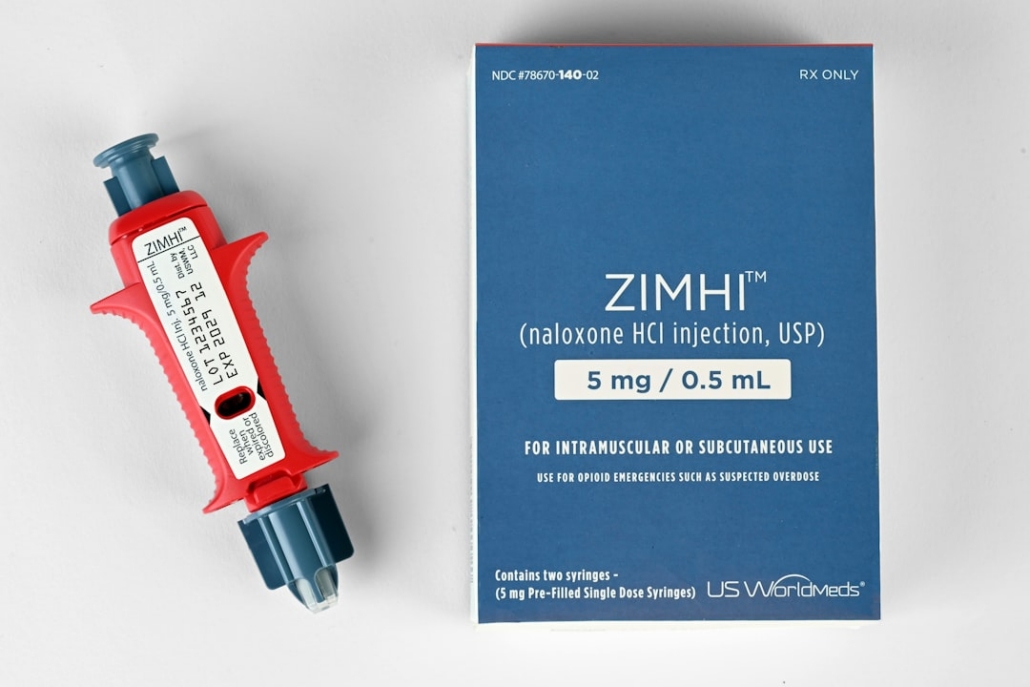
Naloxone is effective, but often requires numerous doses, significantly more than for fentanyl.
Street Prevalence
Gained traction following global crackdowns on fentanyl, pushing users and dealers to new substances.
Production
Believed to be produced at scale by international, multilevel drug distribution networks, likely from South Asia or China.
Understanding the Orphine Threat
Orphines represent a class of opioids initially developed in the 1960s by Paul Janssen, the same Belgian doctor credited with synthesizing fentanyl. The initial goal was to create rapid and safe pain relievers for surgical procedures.
However, their development was halted due to the discovery of severe and life-threatening side effects, including acute respiratory depression and extreme addictiveness. The inherent dangers of these compounds were recognized decades ago.
“Orphines had life-threatening side effects such as acute respiratory depression and were highly addictive, which halted their development.” – The New York Times
Today, these historical compounds are resurfacing, often in quantities as small as a few sand-sized grains, yet possessing devastating power. This extreme potency means even tiny amounts can be fatal.
The speed at which orphines can kill is particularly alarming, with victims often slumping over abruptly as their respiration shuts down and chest walls become rigid. This rapid onset of severe symptoms leaves little time for intervention.
Why Orphines are Surfacing Now
The sudden prevalence of orphines in the street drug market is directly linked to global crackdowns on fentanyl and its analogues. As regulatory actions target existing synthetic opioids, drug distribution networks, and users pivot to new substances.
This shift demonstrates the adaptive nature of illicit drug markets, constantly seeking alternatives to evade detection and law enforcement efforts. The emergence of orphines is a clear example of this dynamic.
Most experts believe that orphines are produced at scale by sophisticated international, multilevel drug distribution networks. These networks likely originate from regions such as South Asia or China before being funneled into the United States.
The widespread distribution is evident in the detection of orphine usage across numerous states. By early 2026, cases had been reported in New York, Pennsylvania, Tennessee, Illinois, Louisiana, Texas, Washington, Nevada, and California.
Overdose deaths attributed to orphines have been reported in nearly all these states. For instance, Tennessee alone saw at least 41 deaths from a specific orphine, cychlorphine, between July 2025 and February 2026, according to the Knox County Regional Forensic Center.
Challenges in Combating the Threat
Stemming the flow of orphines is proving exceptionally difficult for doctors and researchers. The ease with which these compounds can be synthesized in illicit laboratories presents a major hurdle.
Timothy Wiegand of the American Society of Addiction Medicine emphasized that the drug is not merely a “bathroom brew” made from a few products domestically. Instead, it originates from complex international drug distribution networks, including cartels and other isolated groups.
“These drugs represent a dangerous shift in the opioid crisis. Physicians are seeing increasingly powerful synthetic opioids that require rapid recognition and aggressive intervention to prevent fatal outcomes.” – Dr. Rachel Wirginis
Medical examiners have become frontline detectives in this crisis, working to identify the new substances causing fatalities. They are coordinating with law enforcement and local health departments to issue swift warnings to communities.
However, many local medical examiners’ offices are chronically underfunded, hindering their ability to respond effectively to this rapidly evolving threat. This lack of resources exacerbates the challenges of detection and prevention.
Healthy Takeaways: Navigating the Orphine Crisis
The rise of orphines underscores the critical need for heightened awareness and rapid response in the ongoing opioid crisis. Individuals, families, and communities must be informed about the extreme dangers these new drugs pose.
It is crucial to recognize that while Naloxone can reverse orphine overdose, significantly more doses may be required compared to fentanyl overdoses. Immediate medical attention is paramount in any suspected overdose situation.
If you or someone you know is struggling with opioid addiction, seek professional help immediately. Resources are available through local health departments, addiction treatment centers, and organizations like the American Society of Addiction Medicine. Early intervention and aggressive treatment are essential to prevent fatal outcomes.
We may request cookies to be set on your device. We use cookies to let us know when you visit our websites, how you interact with us, to enrich your user experience, and to customize your relationship with our website.
Click on the different category headings to find out more. You can also change some of your preferences. Note that blocking some types of cookies may impact your experience on our websites and the services we are able to offer.
Essential Website Cookies
These cookies are strictly necessary to provide you with services available through our website and to use some of its features.
Because these cookies are strictly necessary to deliver the website, refusing them will have impact how our site functions. You always can block or delete cookies by changing your browser settings and force blocking all cookies on this website. But this will always prompt you to accept/refuse cookies when revisiting our site.
We fully respect if you want to refuse cookies but to avoid asking you again and again kindly allow us to store a cookie for that. You are free to opt out any time or opt in for other cookies to get a better experience. If you refuse cookies we will remove all set cookies in our domain.
We provide you with a list of stored cookies on your computer in our domain so you can check what we stored. Due to security reasons we are not able to show or modify cookies from other domains. You can check these in your browser security settings.
Other external services
We also use different external services like Google Webfonts, Google Maps, and external Video providers. Since these providers may collect personal data like your IP address we allow you to block them here. Please be aware that this might heavily reduce the functionality and appearance of our site. Changes will take effect once you reload the page.
Google Webfont Settings:
Google Map Settings:
Google reCaptcha Settings:
Vimeo and Youtube video embeds:
Privacy Policy
You can read about our cookies and privacy settings in detail on our Privacy Policy Page.