
Oil Prices Brace for Volatility: Opec+ Boosts Output Amidst Escalating Iran Conflict
Global oil markets are bracing for unprecedented volatility as Opec+ agrees to a modest production increase, overshadowed by a rapidly escalating conflict in the Middle East.
The recent decision by Opec+ to raise output by 206,000 barrels per day (bpd) from April arrives at a critical juncture, as US and Israeli strikes on Iran intensify, threatening vital Gulf oil flows.
| Metric | Change/Value | Impact |
|---|---|---|
| Opec+ Production Increase | 206,000 bpd | Slight supply easing, but insufficient to offset major disruptions. |
| Strait of Hormuz Oil Flow | 20% of world’s seaborne oil | Significant disruption risk impacting global supply chains. |
| Oil Price Increase (pre-conflict) | Over $10 per barrel (Jan-Feb) | Indicates underlying market tension; further increases expected. |
| Iran’s Crude Exports | 1.5 million bpd | Directly at risk, primarily impacting China’s supply. |
| War Risk Insurance Premiums | Up to 50% increase | Higher shipping costs, potentially passed to consumers. |
Geopolitical Tremors Shake Global Energy Stability
The Opec+ decision, announced on March 01, 2026, follows a weekend of intense military exchanges. US and Israeli forces conducted strikes on Iran, prompting retaliatory missile and drone attacks by Tehran against Gulf states.
This dangerous escalation has immediately impacted tanker traffic in the Strait of Hormuz, a chokepoint for roughly a fifth of the world’s seaborne oil.
“The eight participating countries decided to resume the unwinding of the 1.65 million bpd of additional voluntary adjustments announced in April 2023 and agreed on a production adjustment of 206,000 bpd,” Opec stated, highlighting the delicate balance between market needs and geopolitical realities.
The output increase is a compromise, falling short of the more aggressive 400,000 to 500,000 bpd some analysts had suggested, but exceeding the baseline expectation of 137,000 bpd.
Opec+ maintains full flexibility to adjust production further, acknowledging the fluid situation.
Supply Chain Under Siege: The Strait of Hormuz Crisis
The assassination of Iranian Supreme Leader Ayatollah Ali Khamenei by US-Israeli strikes has ushered in the most intense escalation in the Gulf since the early 1990s. Iran’s retaliatory attacks have targeted US bases and civilian infrastructure in UAE, Saudi Arabia, Qatar, Oman, and Kuwait.
Reports of drone attacks on Oman’s Port of Duqm and the tanker Skylight near the Strait of Hormuz underscore the immediate threats to maritime commerce.
Crucially, Iraq’s oil sector has also reportedly been hit, with potential implications for its southern export terminals.
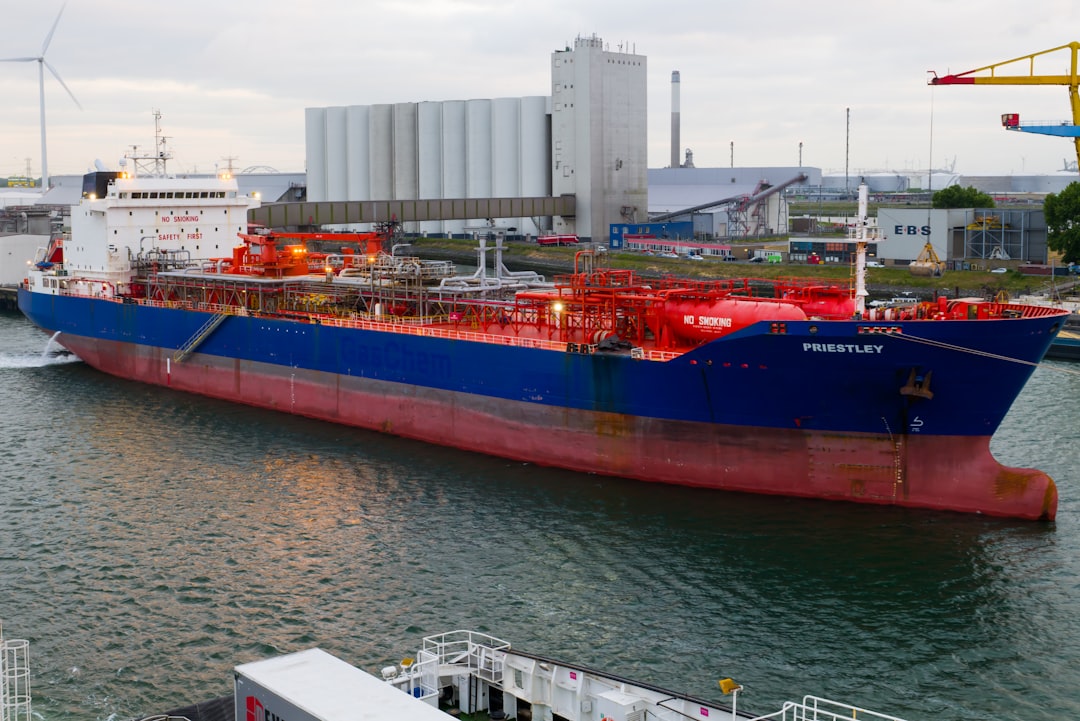
Approximately 15 million bpd of crude and 5.5 million bpd of refined products typically flow through the Strait of Hormuz. Since Saturday night, vessels have been accumulating at the strait’s entrance, signaling widespread disruption.
Financial Fallout: Rising Risk Premiums and Inflationary Pressures
The immediate financial consequence of the escalating conflict is a sharp increase in risk premiums across the energy sector. Oil prices had already climbed over $10 per barrel in January and February due to rising tensions.
S&P Global Commodity Insights predicts further upside unless physical supply is significantly lost.
“Underlying global crude stocks were expected pre-conflict to build at nearly 3 million bpd from March through May, although some of that may be at risk depending on how crude flows are impacted by the conflict,” analysts noted.
Iran’s 1.5 million bpd crude exports, primarily to China, are now directly vulnerable. Even without a full closure of the strait, tanker seizures or drone attacks will substantially increase voyage times and costs for all Middle East exports.
War risk insurers have already issued cancellation notices for policies covering vessels in the Gulf, with premiums set to jump by as much as 50%. For a $100 million ship, this means premiums could rise from $250,000 to $375,000 per voyage, according to Dylan Mortimer of Marsh.
The Economic Outlook
The next 6-12 months are set to be highly turbulent for the global economy. Consumers can expect a significant increase in energy costs, translating to higher prices at the pump and for goods transported via shipping. Inflationary pressures, already a concern, will likely intensify, potentially leading to central banks maintaining higher interest rates for longer.
Job markets could see indirect impacts as businesses grapple with increased operational costs and supply chain uncertainties. The housing market, already sensitive to interest rates, may face further headwinds. The conflict’s duration and intensity will dictate the severity of these economic consequences, but a period of sustained volatility and upward price pressure appears inevitable.