Trump’s 1 AM ‘Dumocrat’ Rant: Iran War Heats Up, Midterm Stakes Soar
Former President Donald Trump’s late-night social media tirade, blaming “unpatriotic Republicans” and Democrats for hindering his Iran negotiations, underscores the high-stakes political maneuvering surrounding the ongoing conflict and its potential impact on the upcoming midterm elections.
The former president, approaching his 80th birthday, launched into a furious 1 AM social media post, accusing political critics of undermining his efforts to secure a deal with Iran.
His comments come as the U.S. and Iran continue a 13-week conflict, with little progress reported since an early April ceasefire.
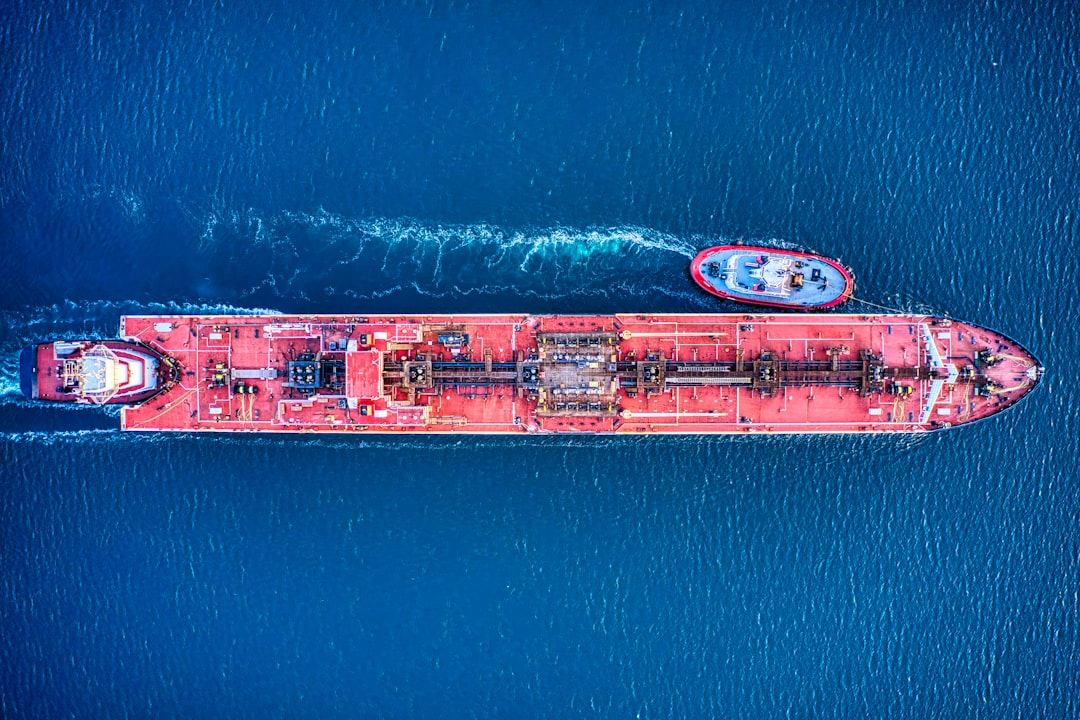
The core of the dispute revolves around control of the Strait of Hormuz, a crucial shipping lane, and Iran’s nuclear capabilities.
| Key Figure | Stance/Action | Political Implication |
|---|---|---|
| Donald Trump | Accuses “unpatriotic Republicans” and “Dumocrats” of interfering with Iran negotiations; insists a deal will be made. | Seeks to project strength and control over foreign policy amidst domestic criticism, aiming to solidify his base ahead of potential future political endeavors. |
| “Unpatriotic Republicans” | Criticized by Trump for “chirping” about his wartime negotiations. | Highlights internal divisions within the Republican Party regarding foreign policy and leadership. |
| Democrats (dubbed “Dumocrats”) | Criticized by Trump for obstructing his deal-making with Iran; Hakeem Jeffries specifically targeted. | Targeted by Trump to energize his base and frame political opposition as detrimental to national interests, particularly relevant for midterm messaging. |
| Iran | Engaged in ongoing negotiations and military exchanges with the U.S.; demands include nuclear disarmament and access to Strait of Hormuz. | Its actions and responses directly impact global oil prices and regional stability, becoming a critical factor in U.S. domestic economic concerns and midterm voter sentiment. |
Escalating Tensions and Oil Market Volatility
The former president’s late-night comments arrive amidst renewed airstrikes between the U.S. and Iran over the weekend, further destabilizing the region.
Both sides claim to have targeted military installations near the strategically vital Strait of Hormuz.
The U.S. Central Command reported “self-defense strikes” on Iranian radar and drone control sites, while Iran’s Islamic Revolutionary Guard Corps asserted it had struck a U.S. airbase.
The ongoing conflict and its impact on global oil prices are placing significant pressure on the administration to reopen the Strait of Hormuz and stabilize the market.
“Iran really wants to make a deal, and it will be a good one for the U.S.A. and those that are with us,” Trump claimed in his overnight post.
“But don’t the Dumocrats, and various seemingly unpatriotic Republicans, understand that it is MUCH tougher for me to properly do my job and negotiate, when political hacks keep negatively `chirping,’ at levels never seen before, over and over again, that I should move faster, or move slower, or go to war, or not go to war, or whatever.”
The Nuclear Deal’s Shifting Sands
Central to the negotiations is Trump’s insistence that Iran “will never have a Nuclear Weapon or Bomb” and must agree to the destruction of enriched uranium, which he controversially labeled “Nuclear Dust.”
However, reports from Axios indicate that significant changes have been made to the memorandum of understanding between the U.S. and Iran.
These modifications primarily concern clauses related to the removal of enriched uranium and access to the Strait of Hormuz.
A senior administration official, speaking to Axios, acknowledged the slow pace of communication with Iran, stating, “They’re literally in caves and they’re not using email.”
Despite the challenges, the official expressed confidence that “there will be a deal,” emphasizing a willingness to wait until Trump is satisfied, even if it takes “a week… or more.”
The Political Fallout
Trump’s latest outbursts, including his creation of the insult “Dumocrat” for Democrats and particularly House Minority Leader Hakeem Jeffries, highlight his strategy of political polarization.
This aggressive rhetoric serves to rally his base and frame any opposition as detrimental to national interests, especially as the midterm elections loom.
Voters, facing rising costs of living exacerbated by volatile oil prices, will closely scrutinize the administration’s handling of the Iran situation.
The success or failure of these negotiations, and the stability of the oil market, could significantly sway public opinion and impact legislative outcomes in the upcoming elections.