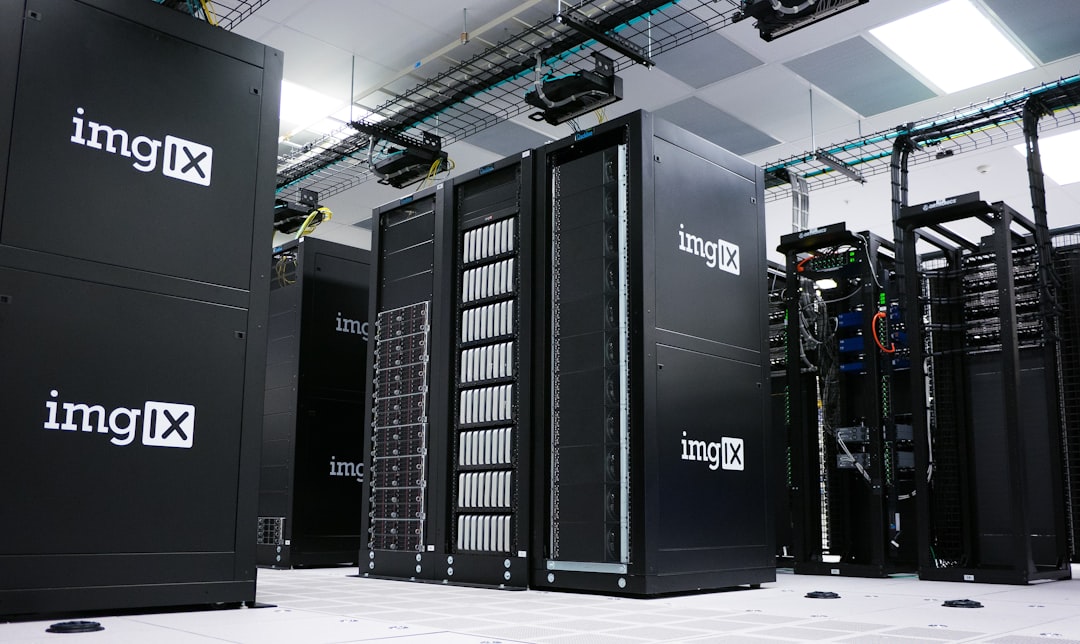
SpaceX’s highly anticipated IPO now faces an unexpected hurdle: the availability of water, a critical resource for its burgeoning data center operations.
In a significant amendment to its IPO filing, SpaceX, which now integrates Elon Musk’s xAI, has elevated water access to the same strategic importance as power and processors. This move underscores a growing concern within the tech industry regarding the environmental footprint of massive data infrastructure.
The updated filing highlights the intricate challenges of scaling AI infrastructure, where resource availability directly impacts expansion and profitability.
The revised IPO filing from SpaceX explicitly states that data center buildouts are now constrained by the “availability of power and water at economically feasible prices.” This new emphasis represents a significant shift from previous disclosures that primarily focused on power costs and construction timelines.
The company acknowledges that “significant water resources may be required for cooling large-scale data center operations.” This highlights the critical role of water in maintaining the operational integrity of its burgeoning AI infrastructure.
Water availability has become a “critical consideration in data center site selection, development and operations” for SpaceX. This strategic pivot reflects a proactive approach to managing environmental and operational risks.
“Water scarcity, drought conditions, competition for local water resources, or regulatory restrictions on water use could limit our ability to obtain sufficient water for cooling, constrain data center cooling capacity, increase our costs, delay or limit expansion of our data center infrastructure, or require us to implement alternative cooling techniques that may be more costly or less available.” – SpaceX IPO Filing
The inclusion of this language suggests a heightened awareness of environmental factors impacting core business operations. It also signals potential future investments in alternative cooling technologies.
Regulatory Scrutiny and Investor Transparency
While the exact catalyst for this change remains unconfirmed, it is plausible that the Securities and Exchange Commission (SEC) played a role. The SEC frequently issues comment letters during the pre-IPO period, seeking clarification and additional details from companies.
Such inquiries often lead to amendments that enhance investor transparency regarding material risks. The public release of these comment letters in the coming weeks will likely shed more light on the motivations behind SpaceX’s updated disclosure.
Broader Corporate Disclosures
The water-related amendment was not the only significant change in SpaceX’s first amended filing. The company also disclosed that it is reserving up to 5% of its IPO stock for employees and friends of executives, a common practice to incentivize key personnel.
Furthermore, SpaceX added cautionary language warning investors about the potential for a “significant” number of future share issuances. This could hint at future capital raises or even a potential merger with Tesla, which could lead to dilution for existing shareholders.
Business Implications
Competitors in the burgeoning AI and space industries will undoubtedly be closely monitoring SpaceX’s strategy regarding resource management. Companies like Amazon Web Services (AWS), Microsoft Azure, and Google Cloud, which operate vast data center networks, already face similar environmental and resource challenges.
This disclosure by SpaceX could prompt other tech giants to re-evaluate and enhance their own disclosures around water usage and sustainability in their data center operations. It may also accelerate research and development into more water-efficient cooling technologies, thereby shaping industry best practices for the future of AI infrastructure.
We may request cookies to be set on your device. We use cookies to let us know when you visit our websites, how you interact with us, to enrich your user experience, and to customize your relationship with our website.
Click on the different category headings to find out more. You can also change some of your preferences. Note that blocking some types of cookies may impact your experience on our websites and the services we are able to offer.
Essential Website Cookies
These cookies are strictly necessary to provide you with services available through our website and to use some of its features.
Because these cookies are strictly necessary to deliver the website, refusing them will have impact how our site functions. You always can block or delete cookies by changing your browser settings and force blocking all cookies on this website. But this will always prompt you to accept/refuse cookies when revisiting our site.
We fully respect if you want to refuse cookies but to avoid asking you again and again kindly allow us to store a cookie for that. You are free to opt out any time or opt in for other cookies to get a better experience. If you refuse cookies we will remove all set cookies in our domain.
We provide you with a list of stored cookies on your computer in our domain so you can check what we stored. Due to security reasons we are not able to show or modify cookies from other domains. You can check these in your browser security settings.
Other external services
We also use different external services like Google Webfonts, Google Maps, and external Video providers. Since these providers may collect personal data like your IP address we allow you to block them here. Please be aware that this might heavily reduce the functionality and appearance of our site. Changes will take effect once you reload the page.
Google Webfont Settings:
Google Map Settings:
Google reCaptcha Settings:
Vimeo and Youtube video embeds:
Privacy Policy
You can read about our cookies and privacy settings in detail on our Privacy Policy Page.