Indian quick-commerce innovator FirstClub has more than doubled its valuation to an impressive $255 million in just nine months, demonstrating a powerful market shift towards curated quality over pure speed.
The Bengaluru-based startup recently secured $55 million in a Series B funding round. This substantial investment was co-led by prominent venture capital firms Peak XV Partners and Sofina.
This latest funding round pushes FirstClub’s total capital raised to $86 million, a significant achievement since its last valuation of $120 million in September 2025.
Corporate Impact Summary
Details
Company Involved
FirstClub
Key Roles
Ayyappan R (Founder), Peak XV Partners (Co-Lead Investor), Sofina (Co-Lead Investor)
Financial Shifts
Valuation doubled to $255M; $55M Series B raised; Total funding $86M
In a burgeoning Indian quick-commerce market projected to reach $11 billion-$12 billion by FY26, FirstClub is carving out a distinct niche.
While competitors prioritize rapid delivery, FirstClub is strategically betting on a growing consumer segment that values quality and curation above all else.
Founded in 2024 by former Flipkart executive Ayyappan R, the platform offers a highly curated selection of approximately 4,000 products.
“People don’t need a very large selection, but they need the right quality selection, consistently delivered every single time,” stated Ayyappan R, emphasizing the company’s core philosophy.
This contrasts sharply with rivals that often carry three times the product assortment, highlighting FirstClub’s focused approach to inventory management and supplier relationships.
The startup implements rigorous quality checks on fresh produce and conducts lab tests on staple items. It also collaborates with brands to develop exclusive products, establishing itself as a trusted grocery destination.
Strategic Growth & Customer Demographics
FirstClub’s strategy is clearly resonating with its target demographic, particularly women-led households, which constitute over 60% of its customer base.
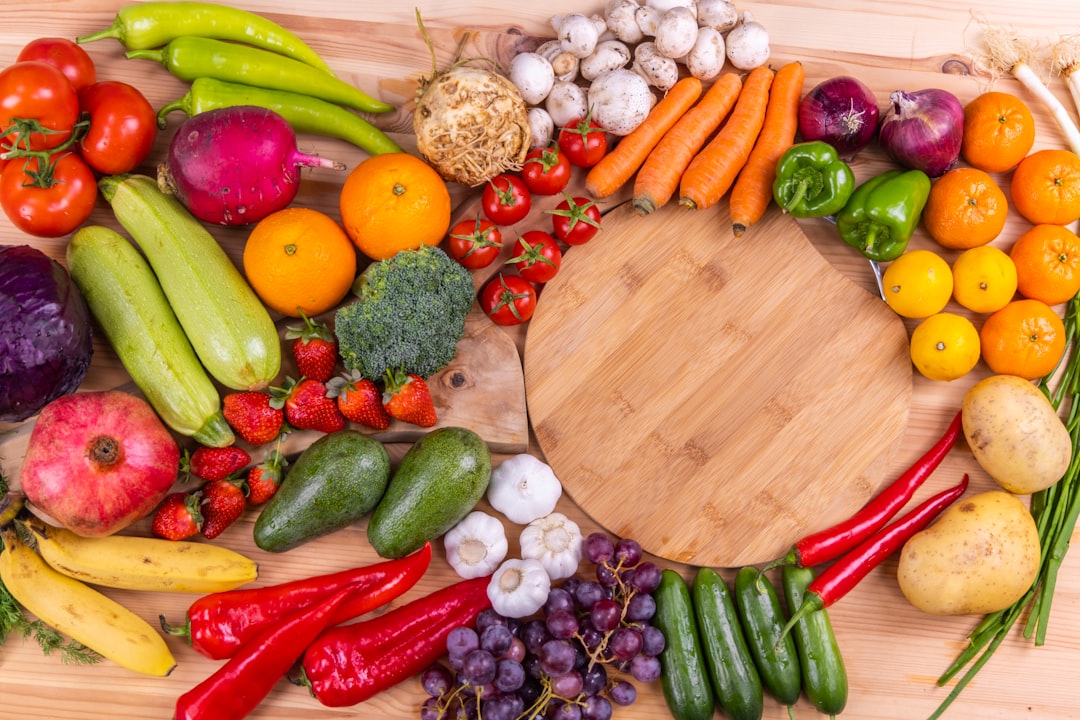
Unlike typical quick-commerce sales dominated by basic staples, FirstClub’s top-selling items include premium offerings such as avocados, persimmons, and Modi apples.
This indicates a strong demand for its curated, higher-value grocery selection among its users.
Within a year of launching in Bengaluru, FirstClub has already processed over 1 million orders and acquired 170,000 households, showcasing rapid market penetration.
The company currently operates at an annualized Gross Market Value (GMV) of around $50 million.
Customers demonstrate high engagement, placing more than four orders per month on average and spending approximately ₹1,200 (about $13) per order.
Expansion Plans & Future Categories
The newly acquired capital will fuel FirstClub’s ambitious expansion plans beyond its current stronghold in Bengaluru, where it operates 21 stores.
The company aims to deepen its presence in Hyderabad, where it recently launched with three locations.
Furthermore, FirstClub plans to diversify its product offerings into new categories, including home and kitchen products, gifting, and other essential household items.
With a direct workforce of approximately 220 employees, this growth trajectory underscores a significant investment in both infrastructure and human capital.
Business Implications
The success of FirstClub sends a clear signal to the broader quick-commerce market: quality and curation can be powerful differentiators, even in a speed-obsessed industry.
GV Ravishankar, Managing Director at Peak XV Partners, articulated this trend, noting the emergence of a more affluent, health-conscious consumer cohort in India.
“There will be a specific set of consumers who gravitate toward a better-quality platform that serves trustworthy products,” Ravishankar told TechCrunch. “As Indians become wealthier and more informed, there will be more and more people who make that choice.”
This strategic pivot could force mainstream quick-commerce players to re-evaluate their own value propositions, potentially leading to increased segmentation within the market.
Competitors may respond by introducing premium tiers, enhanced quality control measures, or by acquiring niche, quality-focused platforms to retain market share.
The rise of companies like FirstClub suggests a maturing retail landscape in India, moving beyond a singular focus on price and convenience towards a more nuanced, quality-driven consumer experience, akin to premium grocery chains in developed economies.
We may request cookies to be set on your device. We use cookies to let us know when you visit our websites, how you interact with us, to enrich your user experience, and to customize your relationship with our website.
Click on the different category headings to find out more. You can also change some of your preferences. Note that blocking some types of cookies may impact your experience on our websites and the services we are able to offer.
Essential Website Cookies
These cookies are strictly necessary to provide you with services available through our website and to use some of its features.
Because these cookies are strictly necessary to deliver the website, refusing them will have impact how our site functions. You always can block or delete cookies by changing your browser settings and force blocking all cookies on this website. But this will always prompt you to accept/refuse cookies when revisiting our site.
We fully respect if you want to refuse cookies but to avoid asking you again and again kindly allow us to store a cookie for that. You are free to opt out any time or opt in for other cookies to get a better experience. If you refuse cookies we will remove all set cookies in our domain.
We provide you with a list of stored cookies on your computer in our domain so you can check what we stored. Due to security reasons we are not able to show or modify cookies from other domains. You can check these in your browser security settings.
Other external services
We also use different external services like Google Webfonts, Google Maps, and external Video providers. Since these providers may collect personal data like your IP address we allow you to block them here. Please be aware that this might heavily reduce the functionality and appearance of our site. Changes will take effect once you reload the page.
Google Webfont Settings:
Google Map Settings:
Google reCaptcha Settings:
Vimeo and Youtube video embeds:
Privacy Policy
You can read about our cookies and privacy settings in detail on our Privacy Policy Page.