Trump’s Secretive ‘Project Freedom’ 2.0: US Military’s Covert Operation in Hormuz Unveiled
The U.S. military is quietly implementing a new strategy to protect commercial shipping in the Strait of Hormuz, a significant shift from previous, more public efforts.
A month after President Donald Trump announced and then abandoned a plan to openly escort commercial ships through the Strait of Hormuz, the US military has adopted a less conspicuous approach.
This new, unnamed initiative coordinates with shippers to navigate the vital waterway, aiming to deter Iranian aggression without provoking a direct confrontation.
| Key Figures | Role/Stance | Political Implication |
|---|---|---|
| Donald Trump | Former President, initiated and then scrapped “Project Freedom.” | Demonstrates willingness to adapt foreign policy under pressure. |
| Marco Rubio | Secretary of State, confirmed US drone shoot-downs. | Public face of the new, more aggressive response to Iranian threats. |
| Pete Hegseth | Secretary of Defense, alluded to ongoing “known or unknown” efforts. | Signals high-level administration backing for covert operations. |
| Tim Hawkins | US Central Command Public Affairs Director, clarified US is not escorting but coordinating. | Manages public perception while maintaining operational secrecy. |
Escalating Tensions and Covert Responses
The new strategy has emerged amidst a recent flare-up between the US and Iran.
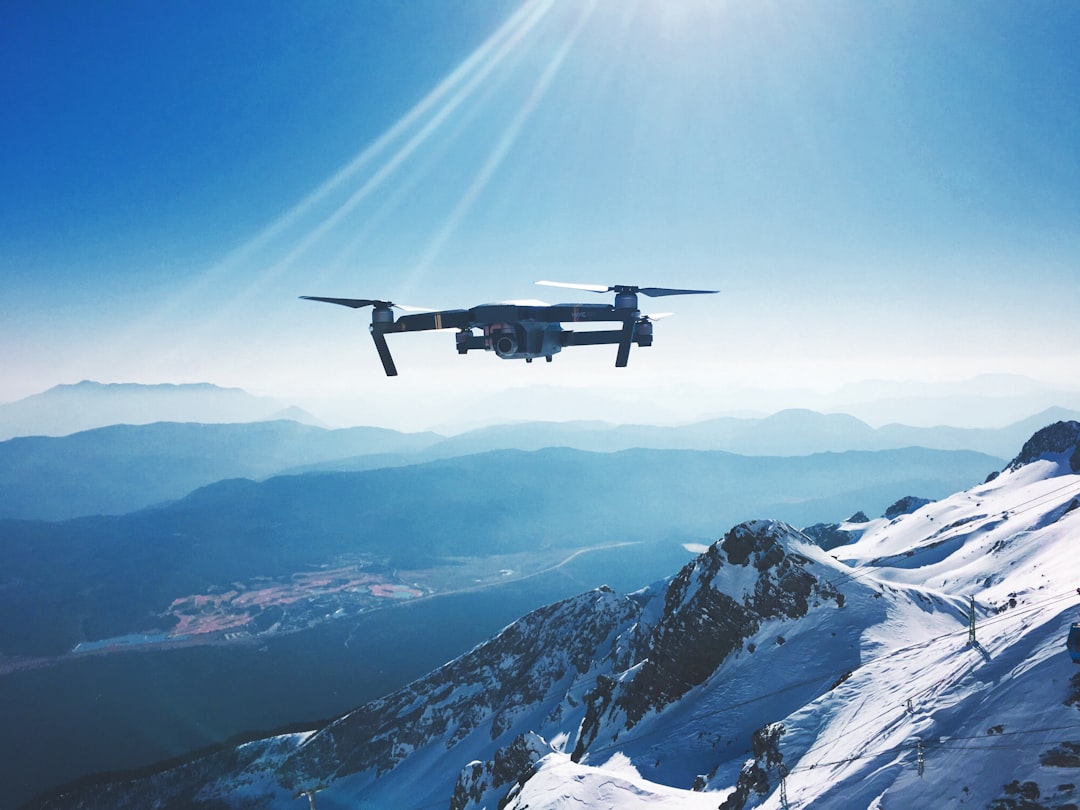
Central Command recently reported its forces shot down Iranian attack drones targeting “civilian mariners” and conducted “self-defense strikes” on an Iranian military ground control station.
“What you’re seeing reports of — including last night — is the following: a ship will go through the route, particularly both the northern and southern route of Hormuz, those ships will come under attack, the US will respond to that attack by shooting down those drones,” Secretary of State Marco Rubio told US lawmakers.
Rubio’s comments in a House Foreign Affairs Committee hearing confirmed the ongoing engagement, highlighting the tit-for-tat nature of the conflict.
He added that “on occasion, in order to protect our own forces, we don’t just strike the drones, we strike the people who launch those drones.”
A Shift from Public Grandstanding to Undercover Coordination
This current approach starkly contrasts with Trump’s earlier Project Freedom, which was publicly announced in early May.
That initiative, detailed in a White House briefing and via social media, was met with Iranian aggression and later abandoned after allies advised against it.
The current US push lacks a formal title and has received minimal public explanation, indicating a deliberate effort to operate below the radar.
Centcom, initially denying reports of escorts, later clarified its role, stating, “Though US forces are not escorting, we continue to communicate and coordinate with commercial ships seeking to freely and safely transit the Strait of Hormuz.”
The Mechanics of Covert Protection
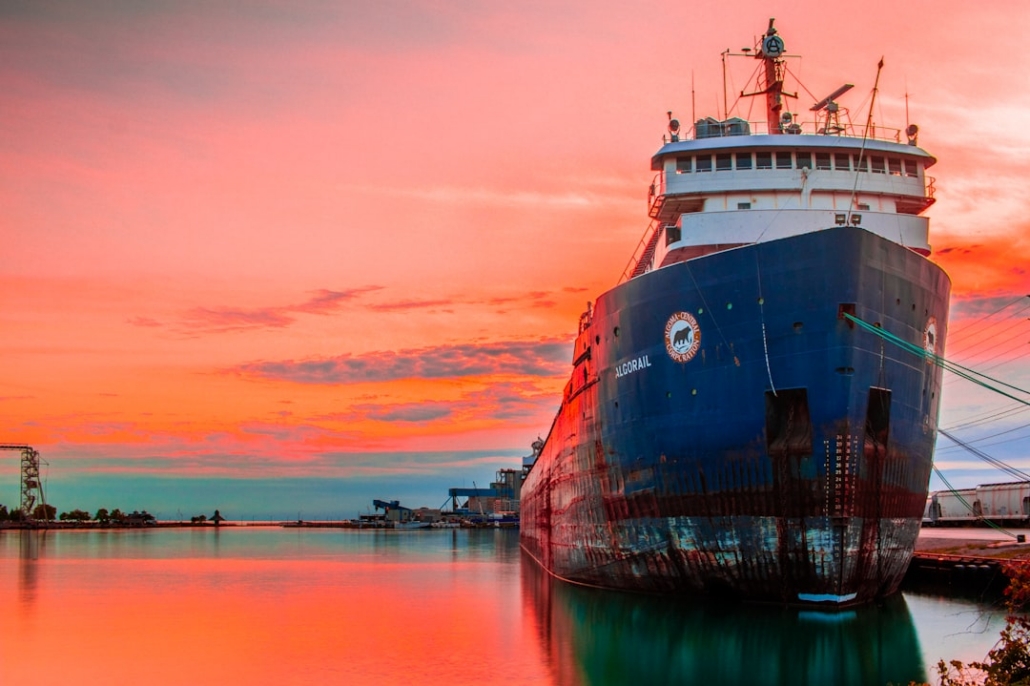
Evidence suggests commercial ships are turning off transponders and hugging the Omani coast on the strait’s south, a tactic designed to avoid Iranian mines.
The US military then provides assistance as needed, often by detecting and countering Iranian units.
“If the commercial ships are hugging the coast opposite of Iran and turning off their AIS transponders, Iranian forces would need to use radar or spotters to detect the movement and direct drone or missile attacks,” said Bryan Clark, a senior fellow at the Hudson Institute.
Steve Wills, a naval expert, notes that Navy ships equipped with AEGIS command-and-control systems and E-2D aircraft can provide “distant but direct coverage” of the strait.
This advanced technological capability allows for discreet yet effective protection.
The Political Fallout
The administration’s shift to a more clandestine operation in the Strait of Hormuz carries significant political implications, particularly for public perception and international relations. By avoiding overt confrontation, the Trump administration aims to maintain regional stability while protecting commercial interests, a move that could appeal to voters wary of large-scale military engagements. However, the secrecy also risks accusations of a lack of transparency, potentially fueling skepticism from political opponents. The success or failure of this covert strategy will undoubtedly become a talking point in future elections, especially concerning the administration’s foreign policy prowess and its ability to navigate complex geopolitical challenges without escalating conflicts into full-blown wars. The careful management of information by Centcom and the measured statements from figures like Secretary Rubio indicate a delicate political balancing act, designed to project strength without provoking an all-out conflict that could have widespread economic and electoral consequences.